

 call
call
 SMS
SMS






 Cart
Cart

Air suspension can do some pretty amazing things. It can give you the ability to raise your vehicle up or down to certain heights, carry loads larger than your stock truck can handle and gives you better accessibility options if standard automobiles are too difficult for you to get into.
But one thing that’s not talked about a lot is aerodynamics. When a vehicle is lower to the ground it has less wind resistance and fuel efficiency improves as a result. How does all that work? Let’s talk it out.
All About Air
The concept of aerodynamics can get pretty complex, but at its core the issue is about how an object travels through the air. The shape of the object itself determines how the air flows around it. The smoother the shape, the less resistance and therefore the better aerodynamic qualities it has.
Cars, trucks and SUVs have long worked towards improving their aerodynamics. Side mirrors get more curvaceous, air dams are added under front bumpers and the whole thing starts to look more like a Tylenol gelcap than a vehicle. All of these improvements start to add up, and usually that’s reflected in fuel efficiency. The easier a vehicle can slip through the air, the less power it takes to propel it forward. As a result your gas mileage goes up, you save more at the pump and everyone is happy.
Going Low
Many people think about vehicle aerodynamics in relation to the top of the car. This is why they add wings for downforce on the rear wheels and the like. But the underside of the vehicle is just as important. A smooth undercarriage also helps reduce drag. And if you can get it lower, you’ll reduce the amount of air getting in there to begin with. This all bears out with F1 cars. They’re barely above ground with a fully slick underside and they fly through tracks at amazing speeds. Going low, as it turns out, has its benefits.
The automotive world has known this for a long time, and has done their best to try to get vehicles closer to the ground. Oftentimes this kind of factory adjustable suspension was expensive and therefore not as commonplace as you would expect, but that is changing. The Tesla Model S, for example, had a Smart Air Suspension system from 2017 to mid–2019 that lowered the car at speed to improve aerodynamics. Audi’s e-tron suspension did something similar for the same purpose. Both of those scenarios involve electric cars which do everything they can to improve their eMPG, but the same applies to gas-powered vehicles as well.
Air Makes It Happen
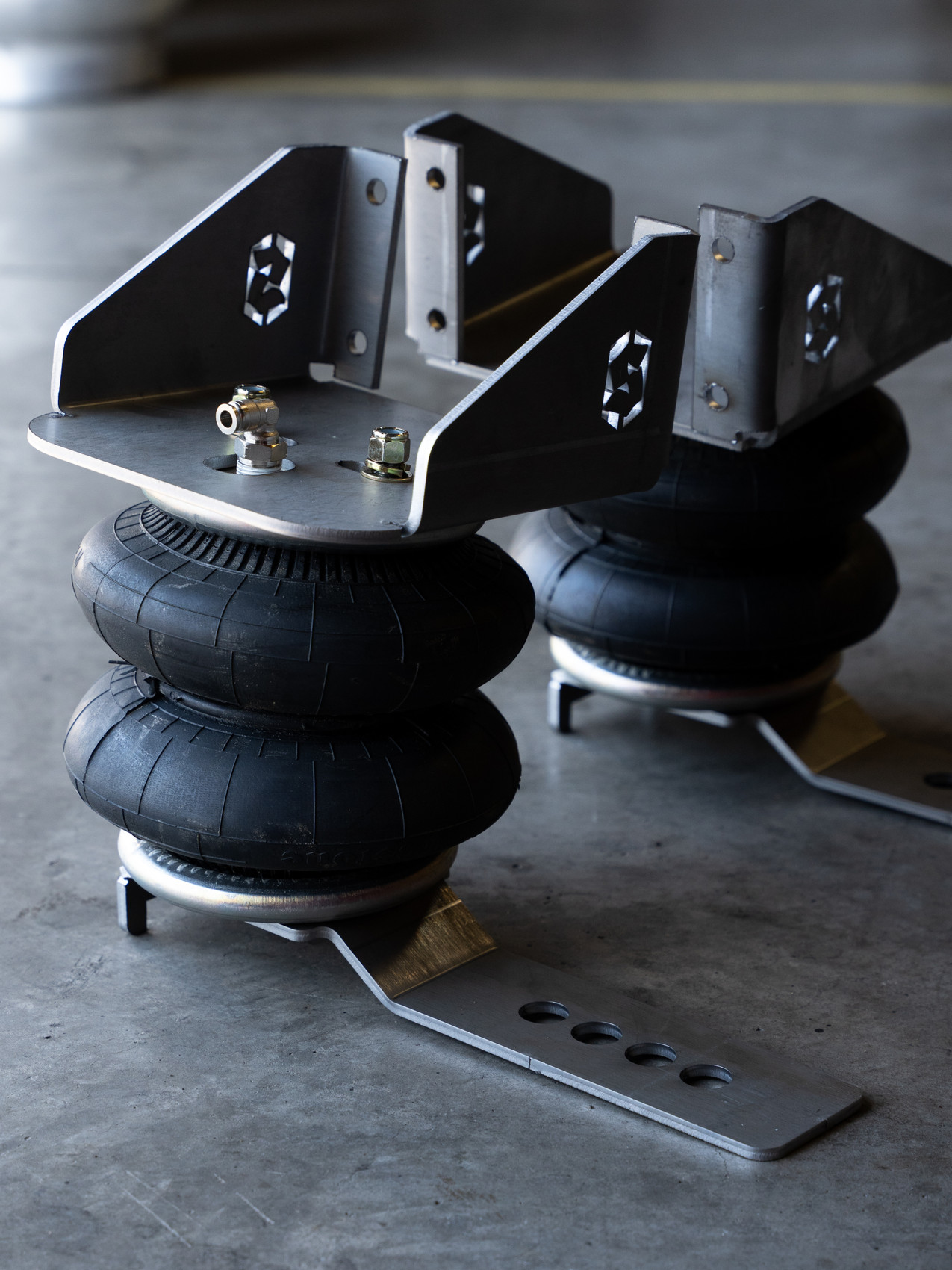
We sell a lot of different types of air suspension systems, and some, like the Accuair e-Level+ and Air Lift Performance 3H use sensors to determine how high or low your vehicle is sitting. You then have preset heights and you can adjust them whenever you like. So say you’re on the freeway and want to save some gas, you can drop the vehicle to it’s lowest safely drivable height, improve the aerodynamics of the car and get a higher MPG.
See? Bagging your ride isn’t just about being cool. It can also save you some cash.