

 call
call
 SMS
SMS






 Cart
Cart
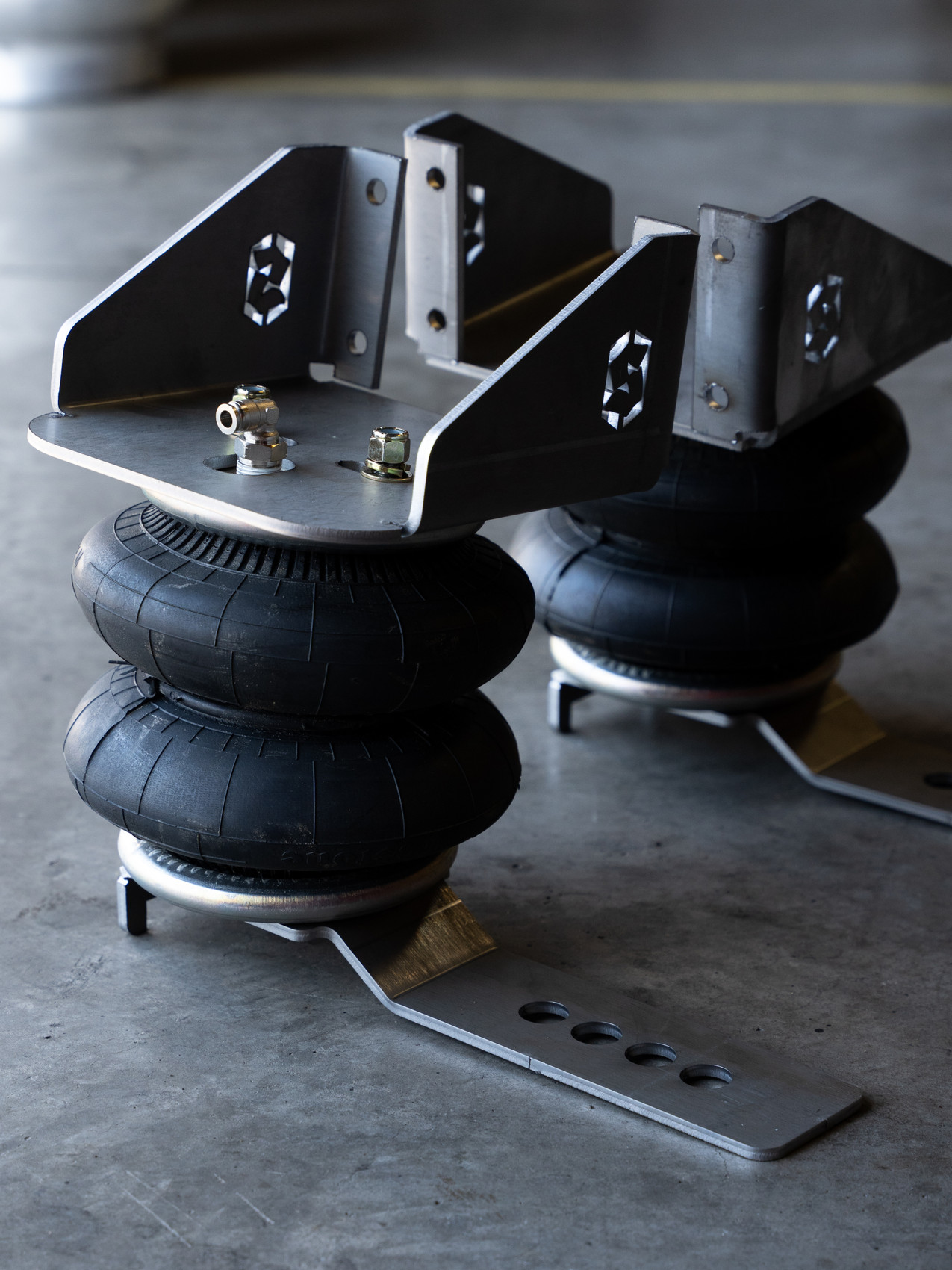
Installing an air suspension system in your vehicle is not a cheap endeavor. It takes a lot of time, energy and funding to get the right setup done properly, and that means you don’t want to have it break all the time or wear out quickly. So what do you to to ensure the longevity of your air suspension system? Maintenance and doing things right. Here’s how.
Start with the kit
Let’s begin by making a statement: Don’t use a steel tank for your air system. We don’t care how pretty it looks or what’s been done to it. Never use a steel tank. Ever.
Why? Because steel rusts. And your compressors push hot air into a typically colder tank, which means you’ll get condensation. That water will sit on the bottom of your steel tank and will rust it out. And sure, it might take a while to rust through the tank, but do you want rusty water going through your valves? How about into your bags? We don’t, so start by not using a steel tank no matter what.
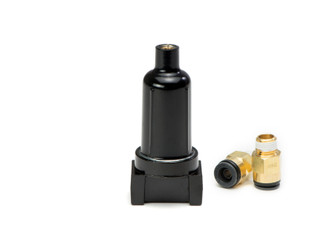
Next, make sure you use a water trap. This is a way to get moisture out of your air system, and while they’re not perfect, they’re better than nothing. Now we live in Arizona, where it’s pretty dry most of the time. If you’re in Southern Florida, a water trap is a must. It feels like you’re walking through soup on most summer days, and that atmosphere is going to be in your air system, too. Get a water trap. It’ll save you some stress.
Maintain things properly
Even with all those things in place, it’s still important to maintain your system. Drain those water traps and the tank itself regularly. This will minimize the amount of water in the system so you don’t have to stress about it. Check your lines for leaks and repair them as soon as possible. You don’t want to find yourself in a place where you can’t drive because something went wrong. (And on that note, keeping some spare tools on hand isn’t a bad idea, either.
Your air bags will eventually get older and may need to be replaced. If that happens, get a spare set and have them on hand for easy change out. Once you start seeing cracks you’re well on your way to having a bag go south on you, so be prepared for this eventuality before it happens.
Check your lines for sagging, too. It’s easy to forget that your air lines will see a certain amount of movement. After all, they get air pushed through them at high PSI all the time, and sometimes they can slightly swell or shift in their mounts. Double check that they’re good to go regularly.
A quick example
We have a buddy who owns a custom car on air bags, and recently he did a full maintenance check on the system. He drained the tank, checked every connection for leaks and got the car on jack stands to look at every place a line went. Then, if something looked like it was wearing down or needed to be refitted, he fixed it. And, since one of his Accuair height sensors was giving him issues, he made some adjustments and got that sorted out, too. Plus he looked over all his bags for cracks. None were found — the setup is just over a year old — but still, he gained peace of mind.
We’ve got you
Need help with your air suspension maintenance? Come by the shop, hit us up online or give us a call. We can get you sorted out with the stuff you need to get your system running right or set you up with an appointment in our install bay.